Emotional Quotient Test – EQ (Online 51 items)
The above is a sample of the complete report version.
Purchase information:
1. This assessment is conducted entirely online.
2. Your order will be confirmed automatically upon payment, and you will immediately receive an email containing the link to the online assessment.
3. After accessing the link and answering all the questions, re-enter it to view the full report.
4. For logged-in users: Your order details will include the online assessment link. You will also receive an order confirmation email containing the assessment link to the registered email address you provided.
5. For non-logged-in users: Please ensure you record the link to the online assessment provided in the order details.
Emotional Quotient Tesst (EQ), often referred to as Emotional Intelligence (EI), measures an individual’s ability to perceive, understand, manage, and influence emotions—both their own and others’. Unlike Intelligence Quotient (IQ), which focuses on cognitive abilities, EQ emphasizes interpersonal and intrapersonal skills critical for personal and professional success. This guide explores EQ testing frameworks, methodologies, applications, and practical strategies for improvement.
1. Core Dimensions of EQ
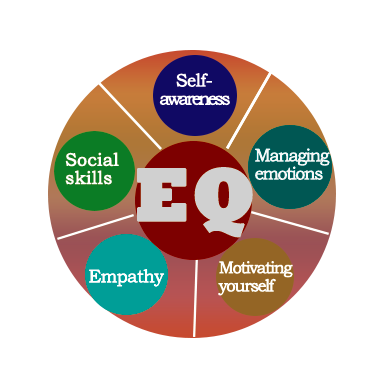
EQ assessments typically evaluate five foundational dimensions, as proposed by psychologists like Daniel Goleman and Peter Salovey:
- Self-Awareness:
- The ability to recognize and understand personal emotions, strengths, and weaknesses.
- Example: Identifying feelings of frustration during a team conflict.
- Self-Management:
- Regulating emotions, controlling impulses, and adapting to stressors.
- Example: Staying calm under pressure during a deadline.
- Social Awareness (Empathy):
- Perceiving others’ emotions through verbal/nonverbal cues and demonstrating compassion.
- Example: Noticing a colleague’s anxiety and offering support.
- Relationship Management:
- Building trust, resolving conflicts, and fostering collaboration.
- Example: Mediating a disagreement between team members.
- Motivation:
- Channeling emotions toward goal achievement, even in adversity.
- Example: Maintaining optimism during project setbacks.
These dimensions form the backbone of most EQ frameworks.
2. Applications of EQ Testing
EQ assessments are widely used across sectors:
- Workplace Development:
- Leadership Training: High-EQ leaders foster inclusive teams and adaptive decision-making.
- Conflict Resolution: Identifying employees with strong empathy skills to mediate disputes.
- Education:
- Helping students manage academic stress and improve peer relationships.
- Healthcare:
- Training clinicians to empathize with patients and reduce burnout.
- Personal Growth:
- Individuals use EQ insights to enhance relationships and emotional resilience.
For example, companies like Google and Microsoft integrate EQ testing into leadership programs to cultivate emotionally intelligent managers .
3. Challenges and Considerations
- Cultural Bias: Some tests may not account for cultural differences in emotional expression.
- Self-Report Limitations: Overestimation or underestimation of abilities due to social desirability.
- Dynamic Nature: EQ is malleable; scores can improve with sustained practice.
To mitigate these issues, combine self-assessment with observer feedback and contextual evaluations .
Conclusion
EQ testing provides invaluable insights into emotional competencies that drive success in both personal and professional realms. By leveraging validated tools and targeted interventions, individuals and organizations can foster emotional intelligence, leading to healthier relationships, improved decision-making, and greater resilience. As Daniel Goleman noted, “Emotional intelligence is the key to both personal and professional success”—a principle that remains as relevant today as when he first articulated it.